Building Bridges Between Victims’ Voices and Syria’s Transitional Justice Process
Why Listening to Victims Matters Now More Than Ever
Syria stands at a historic turning point. After more than fourteen years of conflict, the country has entered a transitional period in which decisions taken today will shape justice, governance, and social cohesion for generations to come. National institutions responsible for transitional justice and addressing the issue of missing persons have begun their work, while a new Transitional Justice Law is being drafted and is expected to be discussed by Parliament in the near future.
This moment presents a rare and time-sensitive opportunity. The legal and institutional foundations of Syria’s transitional justice architecture are still being designed, meaning
that they can still be shaped by the voices, priorities, and lived experiences of those who have suffered the consequences of conflict. If victims and survivors are excluded at this stage, there is a real risk that future justice mechanisms will fail to respond to their needs, undermine public trust, and miss a critical opportunity to contribute to sustainable peace.
Recognizing this unique window of opportunity, Global Harmony Foundation (GHF), in partnership with the DT Institute, launched the BRIDGE Project, an initiative designed to place victims and survivors at the center of Syria’s recovery, transitional justice, and peacebuilding efforts.
Unlike traditional approaches that often view victims primarily as beneficiaries of humanitarian assistance or sources of testimony about past violations, BRIDGE recognizes them as partners in designing Syria’s future. Their experiences are essential not only for documenting the truth and supporting accountability, but also for identifying the reforms, reparations, services, and recovery priorities needed to rebuild trust and prevent future conflict.
Creating Safe Spaces to Listen Before Decisions Are Made
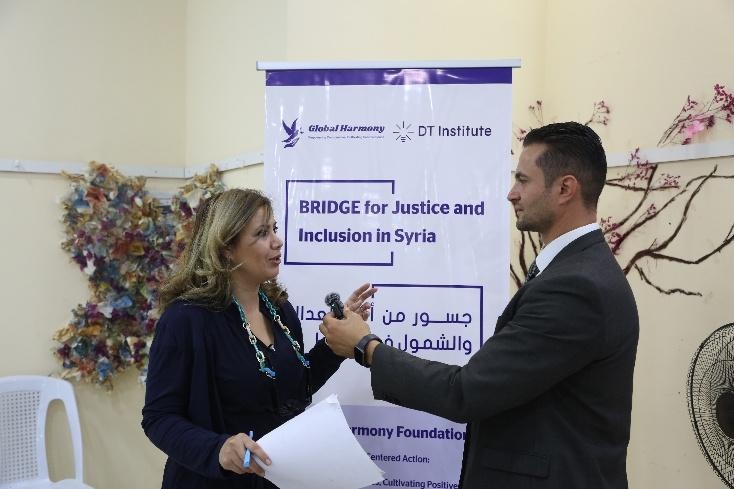
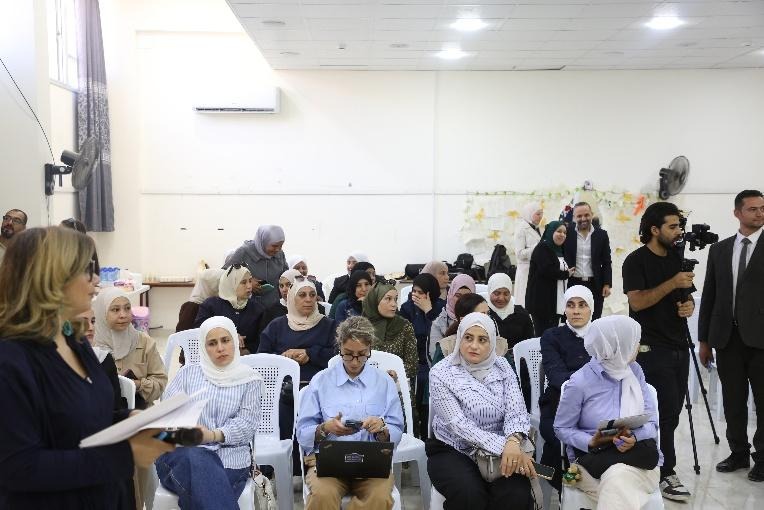
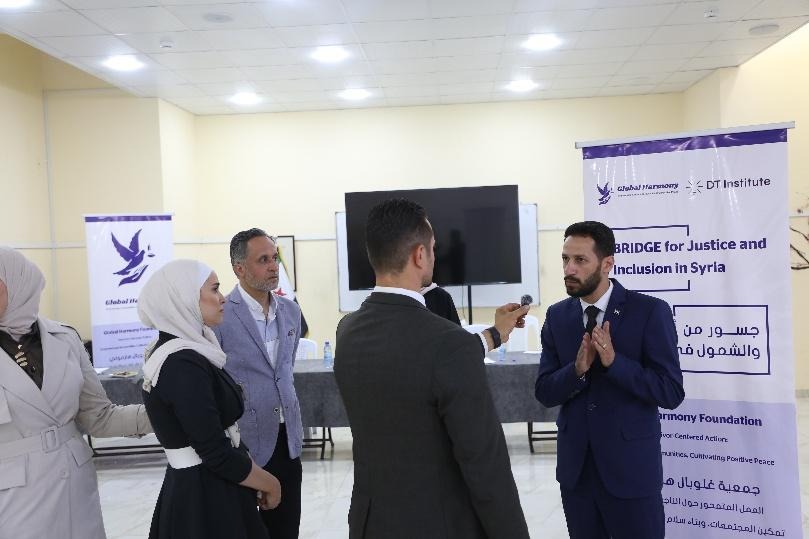
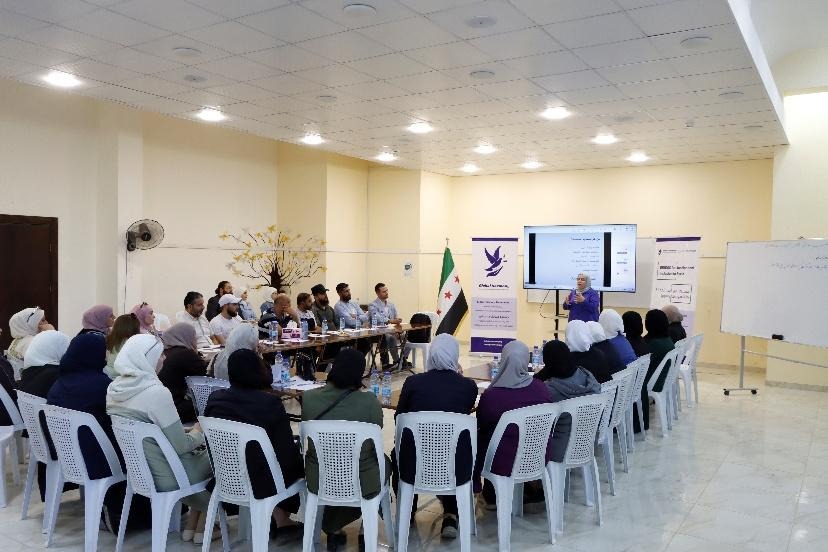
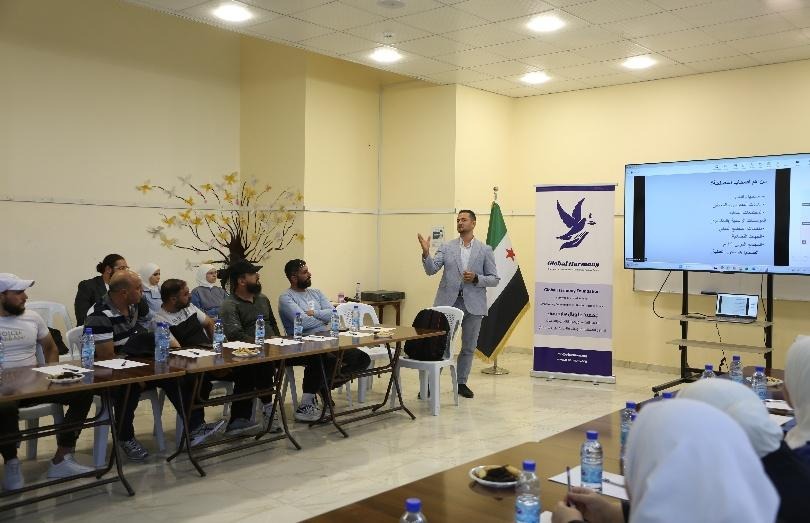
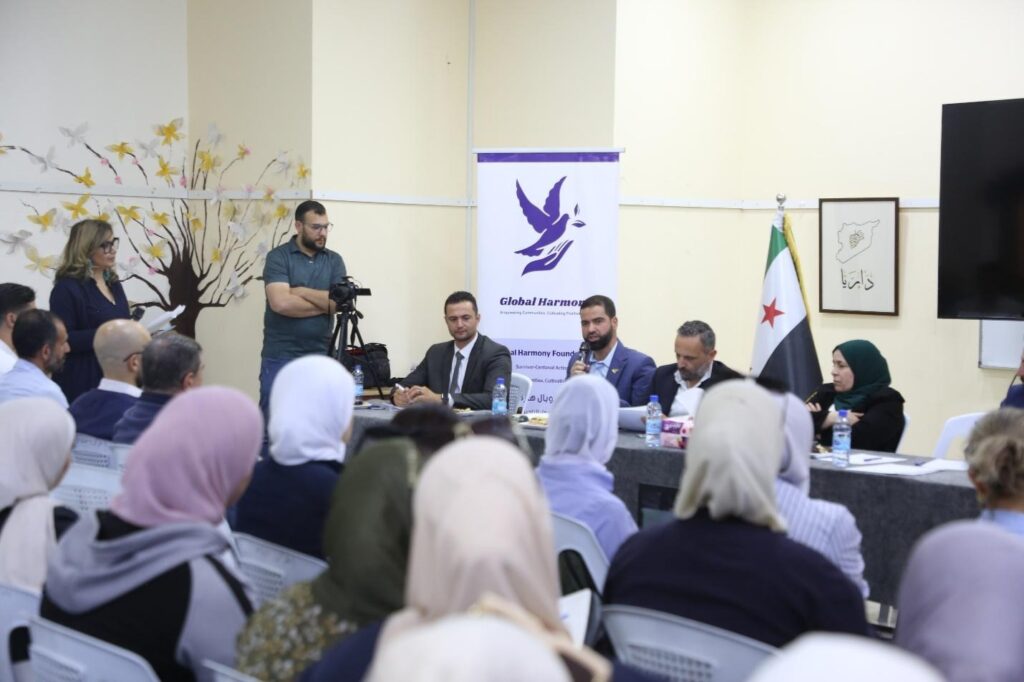
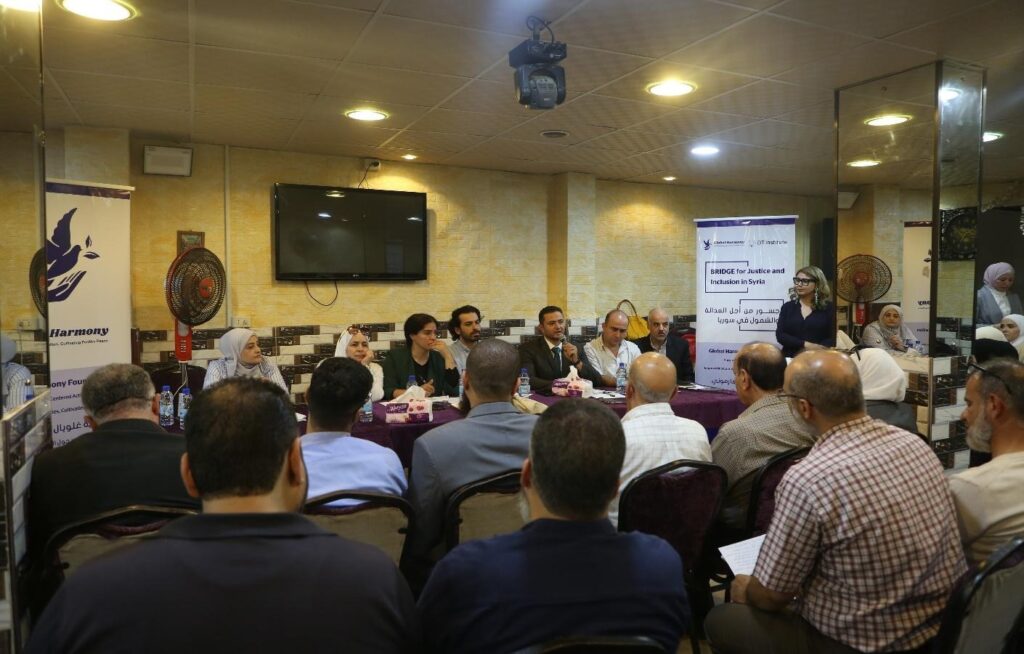
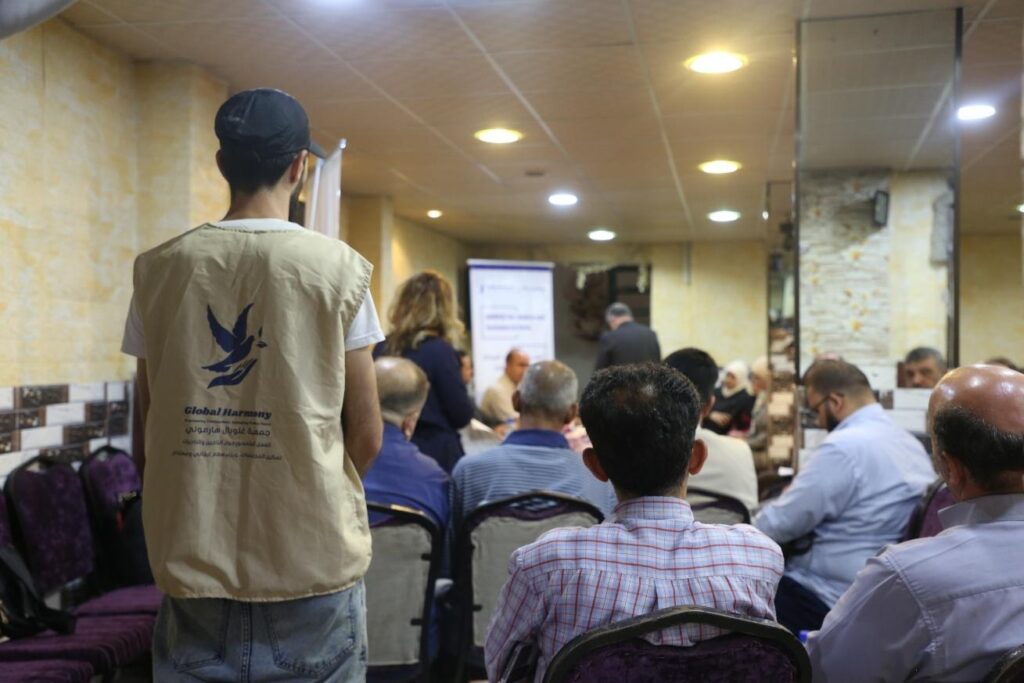
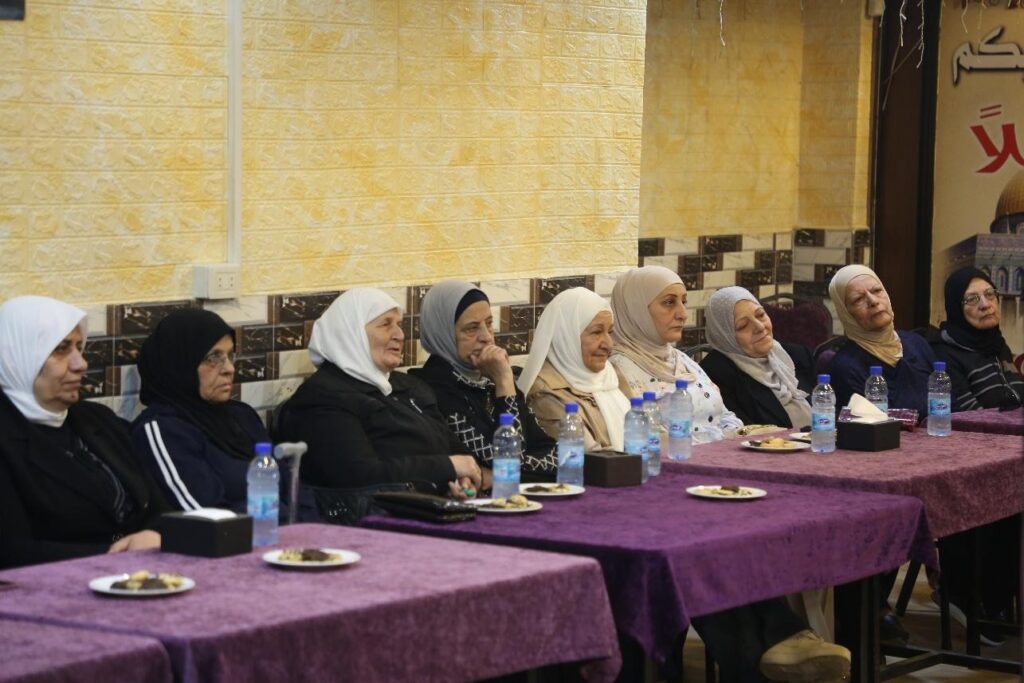
As the first step of the BRIDGE Project, Global Harmony Foundation organized Community-Based Transitional Justice, Trauma-Informed Awareness and Listening Session in Daraya – Rural Damascus, and Yarmouk Camp in Damascus, bringing together victims, survivors, family members of missing persons, former detainees, women affected by conflict, and community representatives.
The full-day session combined:
- Awareness on trauma-informed care and psychosocial well-being, delivered by the Syria Bright Future (SBF), a Syrian organization specializing in mental health, psychosocial support (MHPSS), and capacity strengthening for communities and frontline practitioners.
- An introduction to transitional justice and restorative justice concepts, facilitated by a qualified transitional justice expert who has been supporting the National Commission for Missing Persons and collaborated with national and international human rights organizations on accountability, victims’ rights, and justice processes.
- Safe and confidential listening sessions, facilitated by experienced community-based facilitators from local communities who understand the local context, conflict dynamics, and the needs of survivors. Using trauma-informed and conflict-sensitive approaches, the facilitators created a trusted environment where participants could openly share their experiences, concerns, priorities, and expectations for justice, recovery, and reconciliation.
The objective extended far beyond collecting testimonies.
For many participants, this was one of the first opportunities in years to discuss not only the violations they had experienced, but also their expectations for justice, recovery, reconciliation, and rebuilding their communities.
Participants consistently emphasized that humanitarian assistance alone cannot heal communities if grievances remain unaddressed. While documenting past violations remains fundamental for accountability, truth-seeking, and combating impunity, participants highlighted an equally important question:
What should justice look like for Syria’s future?
Their responses demonstrated that justice must include truth, accountability, recognition, psychosocial support, institutional reform, reparations, economic recovery, and opportunities for affected communities to actively shape reconstruction efforts.
Supporting National Transitional Justice Efforts Through Community Engagement
The establishment of the National Transitional Justice Commission represents an important milestone in Syria’s transition. However, given the scale of the country’s needs and the diversity of conflict-affected communities, no single institution can independently conduct consultations across every city, town, and community. Civil society organizations therefore have a vital complementary role.
By organizing structured, trauma-informed community consultations, we can help ensure that the perspectives of victims and survivors from different regions inform national policymaking. Community-generated evidence can support national institutions by identifying priorities, documenting expectations, highlighting emerging concerns, and strengthening the inclusiveness and legitimacy of transitional justice processes. Rather than replacing state institutions, these efforts strengthen their ability to fulfill their mandate through meaningful engagement with the people they are intended to serve.
From Community Voices to National Dialogue
The consultations conducted are not an isolated event. It represents the first stage of a broader process designed to transform community voices into institutional dialogue and policy influence. The recommendations emerging from this listening session will inform the next phase of the BRIDGE Project, during which victims and survivors will engage directly with representatives from the Ministry of Social Affairs and Labour, the National Transitional Justice Commission, other NGOs, and government institutions.
These structured dialogue sessions will create opportunities for communities and institutions to exchange perspectives, build trust, address disinformation, and discuss practical recommendations for strengthening Syria’s emerging transitional justice framework.
The evidence generated through these consultations will also contribute to a policy brief exploring how transitional justice can be better integrated with humanitarian action, development programming, and peacebuilding under the Humanitarian–Development–Peace (HDP) Nexus.
What Communities Told Us
Throughout the discussions, participants consistently emphasized several priorities for Syria’s transition. They stressed that victims and survivors must be recognized as active partners in designing justice processes, not passive recipients of assistance. They emphasized that truth and recognition are often as important as financial compensation, particularly for families of the missing and disappeared who continue to seek answers about the fate of their loved ones.
“My husband and his brothers and my brother were arrested and disappeared and we know nothing about them. I want there to be a grave I can take my children to so they can visit their father and pay their respects.”
— Participant (wife of a detainee), Daraya Listening Session
“My son is gone and left me with his children. Nobody asks what they need. I don’t want temporary financial sponsorship I want them to invest in our children through dedicated programs in education and human development, so they grow up with dignity and a role in their country’s future.”
— Participant (mother of a martyr), Daraya Listening Session
Participants called for reparations that go beyond monetary compensation to include psychosocial services, healthcare, education, livelihood opportunities, symbolic recognition, and investments in affected communities. They highlighted the importance of integrating transitional justice with humanitarian assistance, development programs, and peacebuilding initiatives rather than treating these sectors separately.
“I realized during this training that transitional justice cannot be limited to accountability or truth-revealing alone; it must be directly linked to people’s daily needs. For many families in Daraya, the sense of justice begins with the ability to return to a safe home, access education for their children, and services that help them rebuild their lives.”
— Participant (woman), Daraya Listening Session
Many participants also underscored the need for institutional reforms that guarantee non-repetition of violations and restore confidence in public institutions. Women were recognized not only as victims of conflict but also as leaders, advocates, and essential actors in justice, reconciliation, and community recovery.
“As a person whose leg was amputated in the war, if I were abroad or in Europe, a salary would be allocated for me and my requests would be seen to. Our country must be like that, our rights must be protected and we must have privileges that help us live and provide for our children.”
— War-injured participant, Daraya Listening Session
“When I see the prosecution of criminals, I know we are on the right path.”
— Participant, Daraya Listening Session
A recurring message throughout the session was that rebuilding schools, restoring livelihoods, repairing infrastructure, and expanding public services can also contribute to reparations and reconciliation when they are designed with the participation of affected communities and acknowledge the harms they have endured.
“I have one request: that Yarmouk Camp be fully rebuilt — its 36 schools, its homes, its gardens, its hospitals and its mosques.”
— Participant, Yarmouk Camp Listening Session
“I would love to go for a walk and rest, or take my children out, but there is no safe or suitable place for this. I hope they make us a garden where we can breathe and rest.”
— Participant, Daraya Listening Session
Building Bridges Towards Sustainable Peace
The BRIDGE Project reflects a simple but powerful principle: sustainable peace cannot be built without listening to those most affected by conflict. When victims are engaged only after decisions have been made, transitional justice risks becoming disconnected from the realities of people’s lives. When they are involved from the beginning, they help shape institutions that are more legitimate, inclusive, and responsive to society’s needs.
As Syria enters one of the most consequential periods in its modern history, ensuring that victims’ voices inform legislation, institutional design, and recovery efforts is not only a matter of justice, it is an investment in long-term stability, reconciliation, and sustainable peace.
Global Harmony Foundation remains committed to building bridges between communities and institutions so that Syria’s transition is guided not only by legal reforms, but also by the voices, dignity, and aspirations of those who have endured the greatest hardships.
Photos: